Discover the Benefits of Sound Healing Therapy
Wellness, Vibrational Therapy, Healing Techniques
What Is Sound Healing and How Does It Work?
Sound healing is gaining attention as a gentle yet powerful way to relax the body, calm the mind, and support emotional balance. Rooted in ancient traditions and supported by modern research, this form of vibrational therapy uses carefully chosen sounds and frequencies to encourage the body’s natural healing response.
What Is Sound Healing?
Sound healing is a holistic practice that uses sound waves to promote relaxation, balance, and overall wellbeing. Rather than focusing only on symptoms, it views the body, mind, and emotions as an interconnected energy system. By introducing soothing tones, rhythms, and frequencies, practitioners aim to gently guide this system back into harmony.
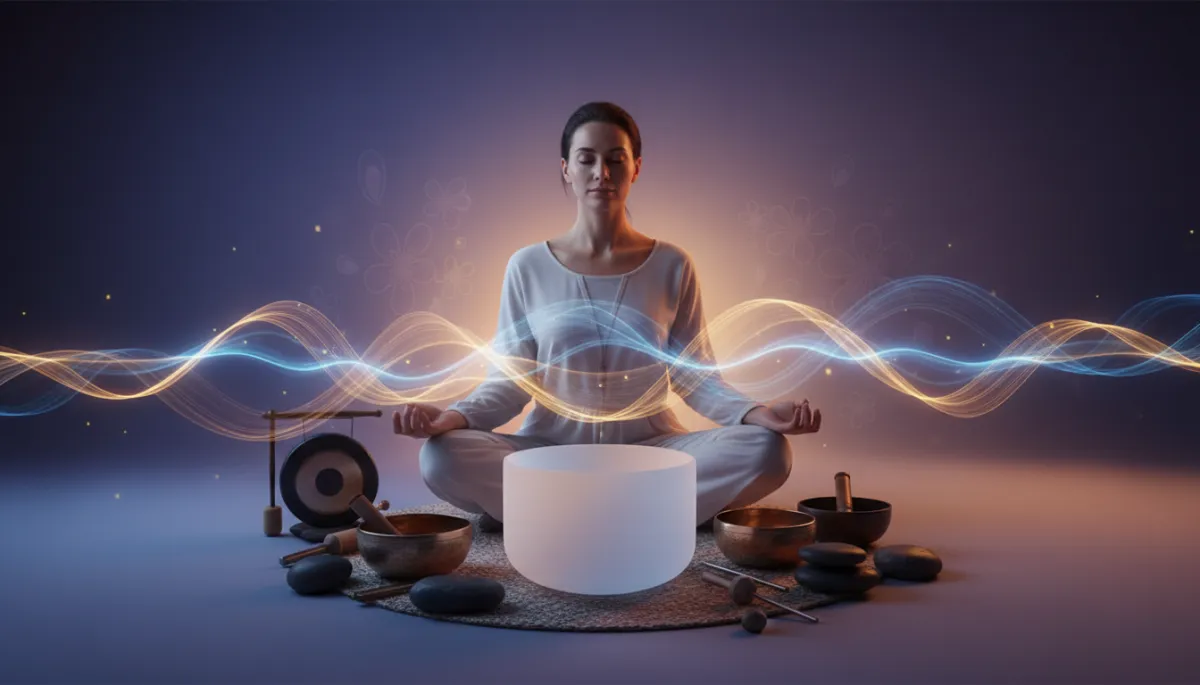
Sessions may involve instruments such as crystal singing bowls, Tibetan bowls, gongs, tuning forks, drums, chimes, or even the human voice. Whether experienced in a group sound bath or a one‑to‑one session, the intention is the same: to create a safe space where the nervous system can slow down, tension can soften, and the body can access its natural self‑healing abilities.
How Does Sound Healing Work?
At its core, sound healing is based on the idea that everything in the body vibrates—cells, tissues, organs, and even thoughts and emotions. When stress, fatigue, or emotional strain build up, these natural rhythms can become disrupted. Sound healing introduces steady, harmonious vibrations that encourage the body to “tune” itself back into balance, much like tuning a musical instrument.
From a physiological perspective, slow, repetitive sounds can help shift brainwaves from alert states into more relaxed alpha and theta states, often associated with meditation and deep rest. This may reduce heart rate, ease muscle tension, and support the parasympathetic nervous system—the part of the body responsible for rest, digestion, and recovery. Many people report feeling lighter, calmer, and more grounded after a session, even if they simply lay still and listened.
Vibrational Therapy: The Science of Frequency and Resonance
Sound healing is often described as a form of vibrational therapy. In vibrational therapy, specific frequencies are used to influence the body’s own vibrational patterns. Two key principles help explain this:
Resonance: When an external vibration matches the natural frequency of an object, that object begins to vibrate more strongly. In sound healing, gentle, harmonious tones are used to encourage resonance with the body’s tissues and energy centers.
Entrainment: This is the tendency of rhythmic patterns to sync up over time. Slow, steady rhythms—like the pulse of a drum or the wave‑like sound of a gong—can help the brain and breath gradually align with a calmer, more coherent rhythm.
As a vibrational therapy, sound healing does not replace medical treatment, but it can complement it by reducing stress, improving sleep, and supporting emotional resilience. Many people integrate it into broader healing plans that include movement, talk therapy, or mindfulness practices.
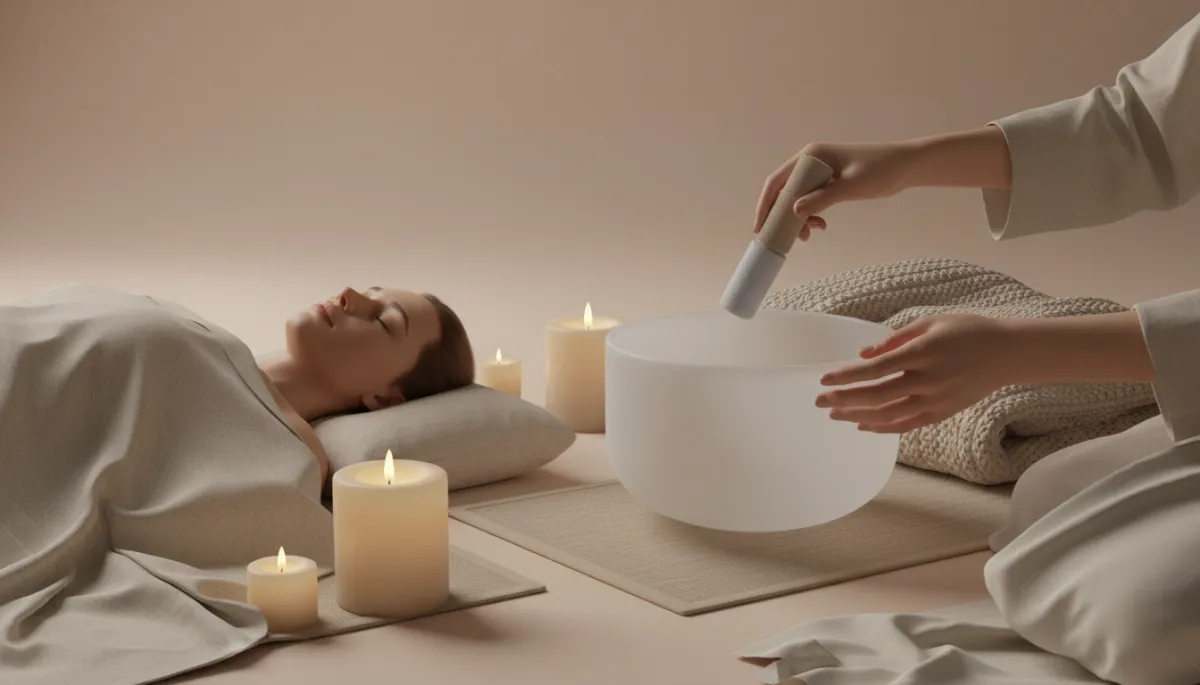
Gentle vibrations from singing bowls can encourage deep relaxation within minutes.
Common Sound Healing Techniques
There are many healing techniques within the world of sound therapy, and each offers a slightly different experience. Some of the most popular include:
Sound baths: Participants lie down while a practitioner plays gongs, bowls, and chimes around the room, creating an immersive “bath” of sound that washes over the body.
Tuning fork therapy: Calibrated tuning forks are gently activated and held near or lightly on the body to deliver focused vibrational therapy to specific areas.
Vocal toning and mantra: Using the voice to hum, chant, or repeat mantras allows you to become your own sound healer, feeling the vibration from the inside out.
Rhythmic drumming: Steady drumming patterns can support grounding, emotional release, and meditative states, especially in group settings.
💡 Pro Tip: When exploring sound healing or vibrational therapy for the first time, start with a short session, notice how your body responds, and work with a qualified practitioner who can tailor techniques to your comfort level.
Bringing Sound Healing Into Everyday Life
You do not need a full studio setup to benefit from sound healing. Simple practices—such as listening to calming soundscapes, humming softly during stressful moments, or striking a small singing bowl at the start and end of your day—can act as accessible healing techniques that support balance and inner peace.
Whether you are drawn to full sound baths or quiet moments with a single instrument, sound healing offers a gentle invitation: pause, listen, and allow vibration to guide you back to yourself. As a complementary vibrational therapy, it can become a valuable part of a holistic approach to wellbeing, helping you move through life with greater ease, clarity, and calm.
*The techniques and suggestions shared here are intended for holistic wellness and educational purposes only and should not be considered medical advice. Please consult your physician or qualified healthcare provider for personalized medical guidance, diagnosis, or treatment.
