

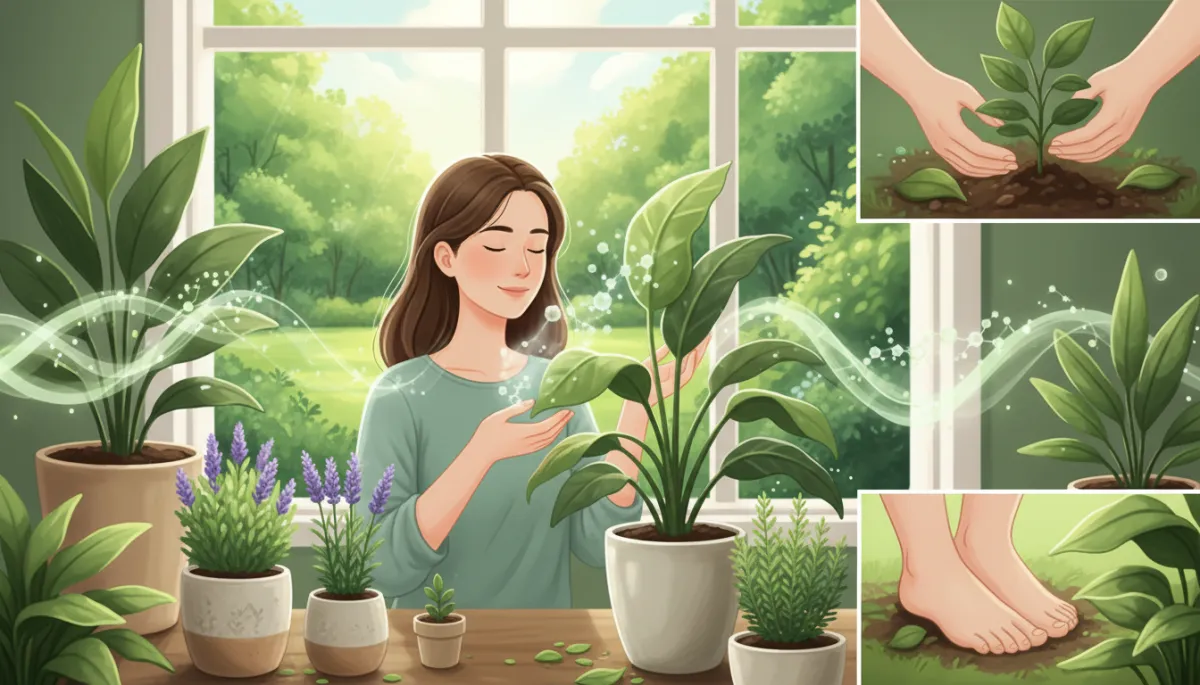
How to Use Plant Energy for Stress Reduction
Wellness, Mindfulness, Plant Therapy
How to Use Plant Energy for Stress Reduction
Discover how to create a calming, plant-powered sanctuary that supports your emotional balance. This guide walks you through choosing the right plants, using aromatherapy, designing a green space, caring for your plants, practicing grounding, and visualizing plant energy—along with clear, complete images illustrating each step or concept for your blog layout.
Why Plant Energy Helps Reduce Stress
Plants do more than decorate a room. They quietly filter the air, soften harsh spaces, and introduce gentle, living energy into your environment. When you intentionally connect with plant energy, you invite a slower rhythm, deeper breathing, and a sense of grounded calm that can counter day-to-day stress. A blog on this topic should feature complete images that clearly show each step: from choosing plants to practicing mindful rituals with them, so readers can visualize how to bring these ideas into their own homes.
1. Selecting the Right Plants for Calm and Comfort
The first step in using plant energy for stress reduction is choosing species that are both soothing and easy to care for. Look for plants with soft shapes, rounded leaves, and gentle colors. Popular options include peace lilies, snake plants, pothos, and ferns. These varieties tolerate a range of indoor conditions and visually soften sharp lines in a room, which can subtly relax the nervous system. When planning your blog, a complete image of a small selection of beginner-friendly plants, clearly labeled, helps readers feel confident about what to buy and how each plant contributes to a calming atmosphere.
2. Incorporating Aromatherapy with Plant Energy
Scent has a direct pathway to the emotional centers of the brain, making aromatherapy a powerful partner to plant energy. Fragrant plants such as lavender, rosemary, jasmine, or scented geraniums can gently perfume a space and signal your body that it is safe to relax. You can also enhance the effect with essential oils derived from plants, using a diffuser near your greenery to create a layered sensory experience. In the blog post, emphasize that images should show not only the plants themselves but also small details—like a diffuser on a shelf beside a potted herb—to give readers a complete visual guide to blending aromatherapy with living plants.
3. Creating a Green Space for Daily Decompression
A dedicated green corner turns your plants into a true stress-relief tool. Choose a spot with comfortable seating, good natural light, and enough room for a few plants at different heights. You might place taller plants on the floor, smaller pots on a side table, and trailing plants on shelves. Keep the color palette neutral and uncluttered so the greenery remains the focal point. In your blog, note that a complete, wide-angle image of this green space—showing how plants, furniture, and lighting work together—helps readers understand how to recreate a similar sanctuary at home, rather than simply scattering plants randomly around a room.
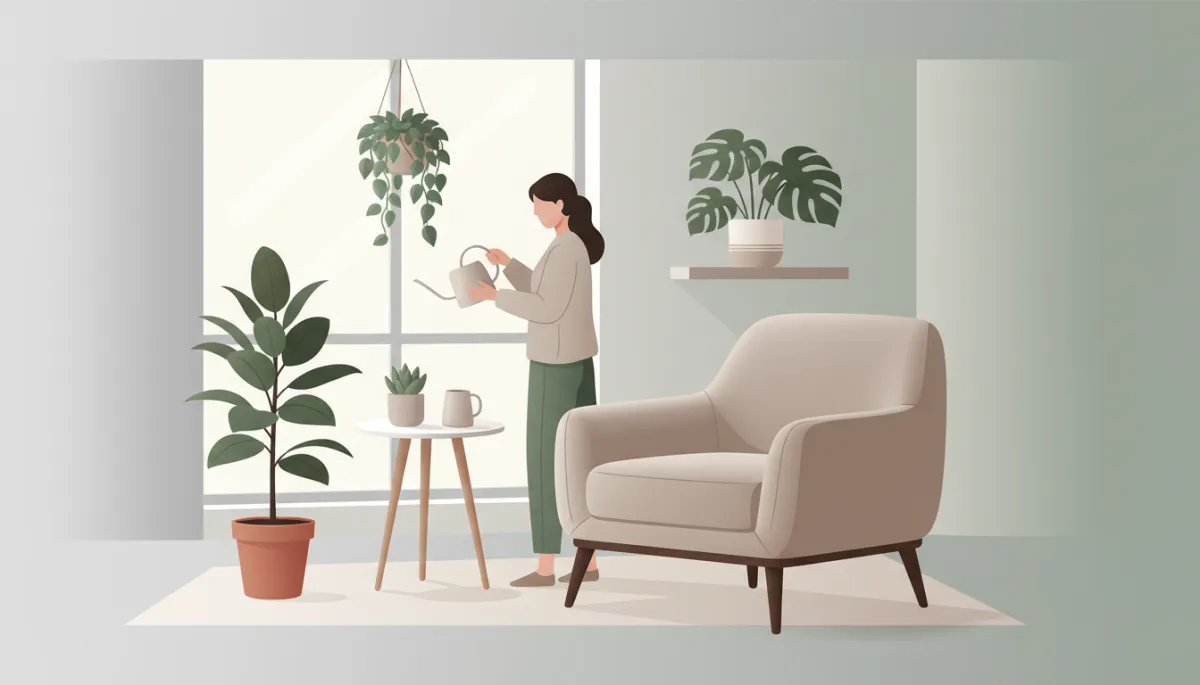
A thoughtfully arranged green corner becomes a daily retreat for unwinding and reflection.
4. Engaging in Plant Care as a Mindful Ritual
Caring for plants is an ideal mindfulness practice because it invites you to slow down and focus on simple, tangible actions. Watering, pruning, dusting leaves, and repotting can all become mini rituals that draw your attention away from worries and back into the present moment. As you observe new growth or notice subtle changes in color, you cultivate patience and a sense of quiet accomplishment. Encourage readers to move deliberately, breathe slowly, and treat plant care as a scheduled pause in their day. A complete, close-up image of hands gently tending to a plant reinforces this idea visually and shows how nurturing plants can be a form of self-nurturing.
5. Practicing Grounding with Plants
Grounding is the practice of reconnecting with the present through your senses and your body. Plants offer a natural anchor for this. Invite readers to sit beside a favorite plant, place their feet flat on the floor, and rest one hand lightly on the pot or soil. They can notice the texture of the leaves, the temperature of the soil, and the subtle scent of greenery. With each breath, they imagine drawing calmness up from the earth through the plant and into their own body. Instructive, complete images that show this posture—feet grounded, hand on the plant—help readers understand how simple and accessible a grounding practice can be when plants are involved.
6. Visualizing Plant Energy to Deepen Relaxation
Visualization is a powerful way to amplify the calming effects of plant energy. Encourage readers to close their eyes while sitting near their green space and imagine a soft, gentle light radiating from the plants. They can picture this light as a soothing color—perhaps a soft green or warm white—slowly surrounding their body and easing tension in the shoulders, jaw, and chest. With each exhale, they release stress; with each inhale, they draw in the plant’s steady, rooted energy. When describing this step in your blog, mention that an abstract yet complete image—such as a person seated peacefully among plants with soft, neutral lighting—can visually suggest this flow of energy without needing literal beams of light or special effects, keeping the overall style professional and understated.
Bringing It All Together in a Visual, Plant-Powered Blog
To create a compelling blog post on how to use plant energy for stress reduction, combine clear, practical guidance with complete, professional images that illustrate each key idea: selecting the right plants, incorporating aromatherapy, designing a green space, engaging in mindful plant care, practicing grounding, and visualizing plant energy. When readers can see each step, they are more likely to believe it is achievable and to experiment with their own plant-based rituals. Over time, these simple practices can transform a home into a living, breathing support system that gently absorbs the day’s tension and returns a sense of calm in its place.
*The techniques and suggestions shared here are intended for holistic wellness and educational purposes only and should not be considered medical advice. Please consult your physician or qualified healthcare provider for personalized medical guidance, diagnosis, or treatment.
